Background

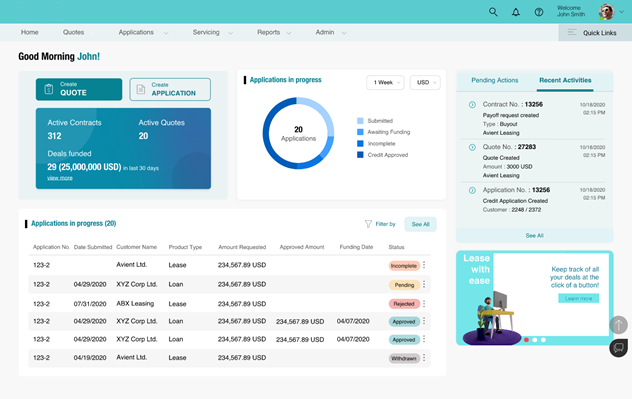
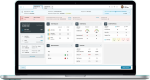
The equipment finance product requires to offers a specialized portal tailored for resellers.

This platform enables resellers to provide their customers with quick financing solutions for equipment purchases.

From application submission to loan approval, and eventually, to the documentation phase, everything is expected to occur within this digital environment.

The Problem

Resellers, essential to the Equipment Finance (EF) ecosystem, grapple with disjointed systems, impairing financing flows between banks and buyers.

This fragmented setup denies them real-time quotes, application updates, and service insights.

As a result, they're often caught unprepared, navigating concerns from both manufacturers and agitated buyers.

Discovery and Research

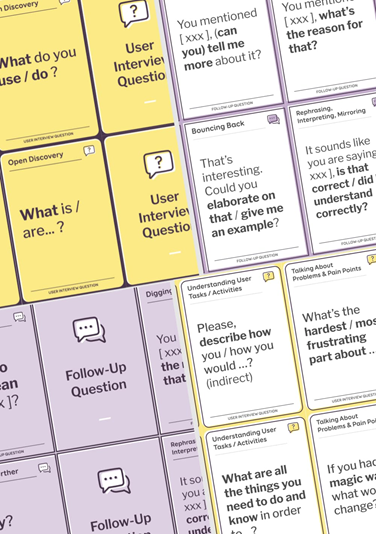
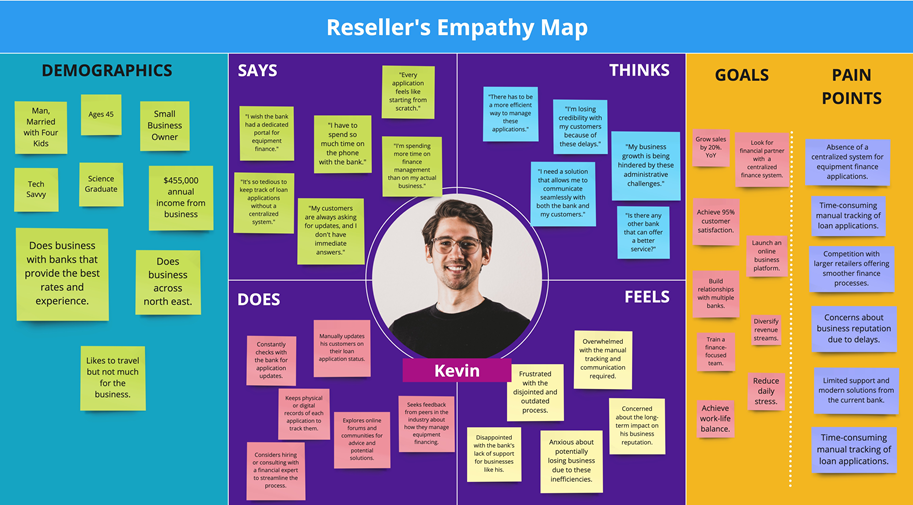
Created User Advisory Group to gather problems, pain and innovation insights by conducting User Interviews, Focus Group, and Online Surveys to create customer journey, empathy map, feature log, MVPs and personas.
** Used Stephanie Walter's research templates.

Critical Research Findings

Complex Application Submission:
The application process is non-intuitive with redundant or unclear information fields, also each bank has their own UI and experience which makes reseller to learn few dozen application portals to conduct their business.

Document Upload Difficulties:
Resellers struggle with the portal's unstable document upload feature, and there's ambiguity about supported file types.

Opaque Application Status:
Once applications are submitted, resellers don't receive timely status updates, causing uncertainty and frequent unnecessary portal visits.

Inconsistent UI Design:
Different sections of the portal offer varying user experiences, causing confusion.

Poor Mobile Optimization:
Resellers, often on the move, find the portal's mobile experience to be subpar, making it challenging to use on handheld devices.

Process of Empathy Map

Defined the Persona:
The user or customer persona was identified based on user research, interviews, and surveys.

Gathered Research Data:
Qualitative data was collected from user interviews, observations, and surveys. Active listening was employed to understand what users said, and their behaviors were observed.

Collaborated and Discussed:
Team members from various disciplines contributed their insights. Findings were discussed and analyzed collaboratively.

Iterated and Updated:
The empathy map was revisited as more data was gathered or as the product evolved.

Updates were made to reflect new understandings or changes in user behavior.

Reviewed and Reflected:
The empathy map was periodically reviewed.

The effectiveness of design solutions in addressing user needs was evaluated.

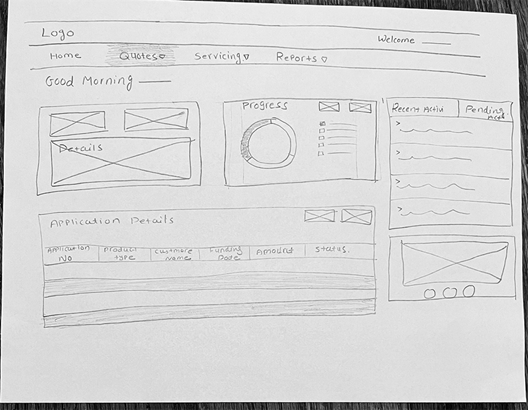
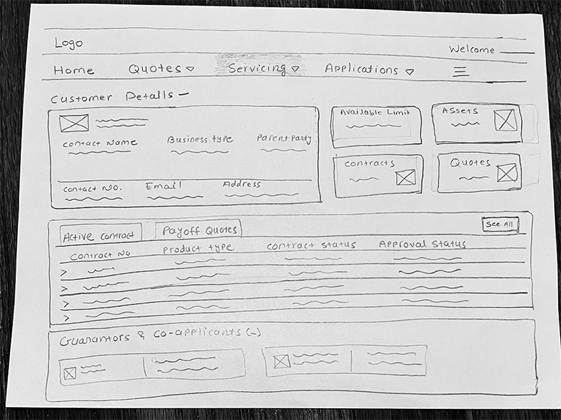
Paper Prototype and Validation

Conceptualization and Wireframes

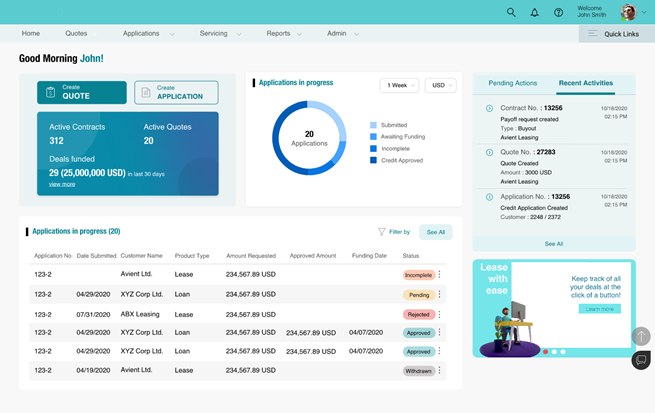
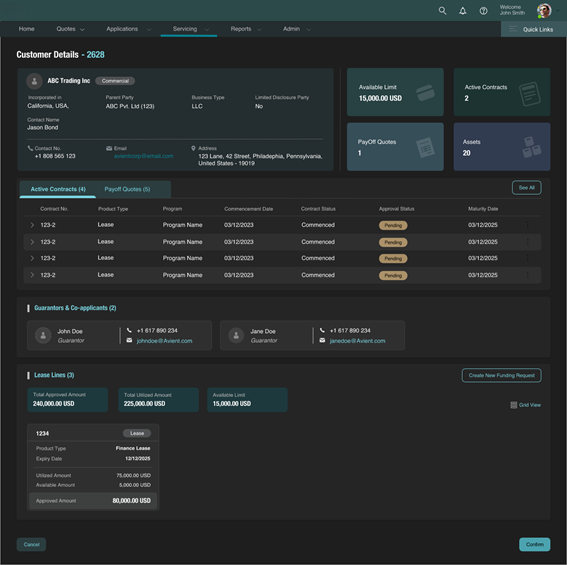
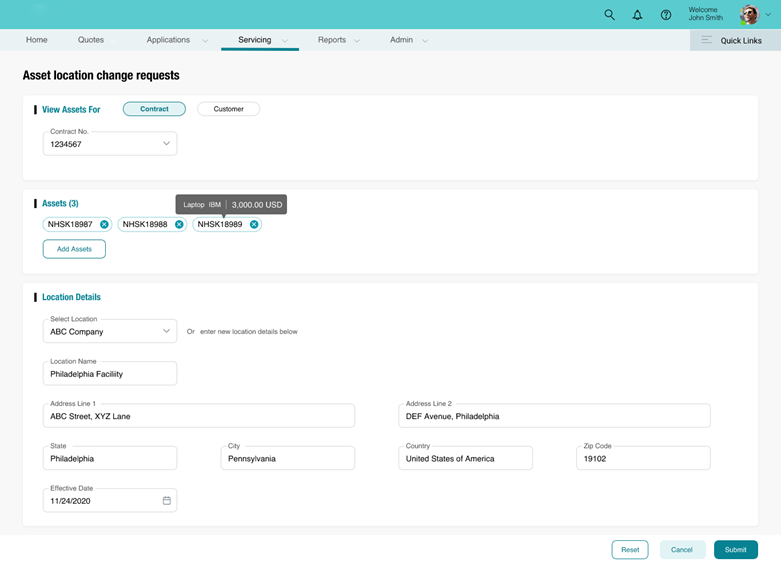
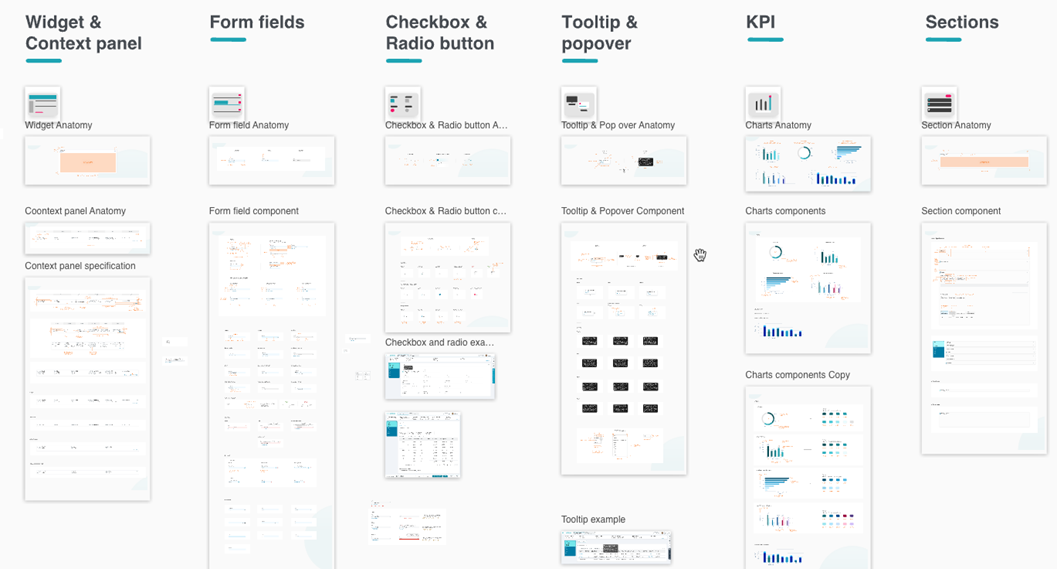
Design System